
- Why a Scrap Metal Waste Audit Matters for Austin Businesses
- Step 1: Identify All Scrap Metal Your Business Produces
- Step 2: Measure How Much Scrap Metal You Generate
- Step 3: Analyze Where Your Scrap Metal Is Lost or Mixed Into Trash
- Step 4: Separate Scrap Metal for Maximum Value
- Step 5: Set Up an Internal Scrap Collection System
- Step 6: Partner With an Austin Scrap Metal Recycler
- Step 7: Track Your Scrap Revenue to Measure ROI
- Ready To Unlock Hidden Value Through Recycling Scrap Metal?
For many Austin businesses—especially contractors, fabricators, manufacturers, auto shops, HVAC teams, and demolition crews—scrap metal isn’t “waste.” It’s hidden revenue. Yet tons of valuable material ends up in dumpsters every year simply because no one has taken the time to perform a basic scrap metal audit.
A proper waste audit helps your company identify, sort, store, and sell recyclable metal for profit. If your goal is recycling scrap metal efficiently and earning more from every project, this simple process can turn overlooked materials into real dollars.
Here’s how to run a waste audit step-by-step and uncover hidden Austin scrap metal value inside your daily operations.
Why a Scrap Metal Waste Audit Matters for Austin Businesses
Austin-area companies face rising disposal costs, stricter recycling requirements, and increasing material prices. That combination means two things:
- Throwing metal away is expensive.
- Recycling scrap metal earns your business money.
A waste audit helps you answer key questions:
- What types of scrap metal do we generate most often?
- How much money are we missing out on each month?
- Which departments, job sites, or processes create the most recyclable metal?
- Where can we cut disposal costs by diverting metal away from general waste?
- Should we set up a recurring pickup service or designated scrap bins?
Running the audit takes less than a day for most small businesses—and the results often reveal significant revenue. Even one contractor or shop can generate hundreds to thousands of dollars per month by capturing all recyclable metals.
“The U.S. metal recycling market is expected to hit $92.9 billion by 2030.”
Step 1: Identify All Scrap Metal Your Business Produces
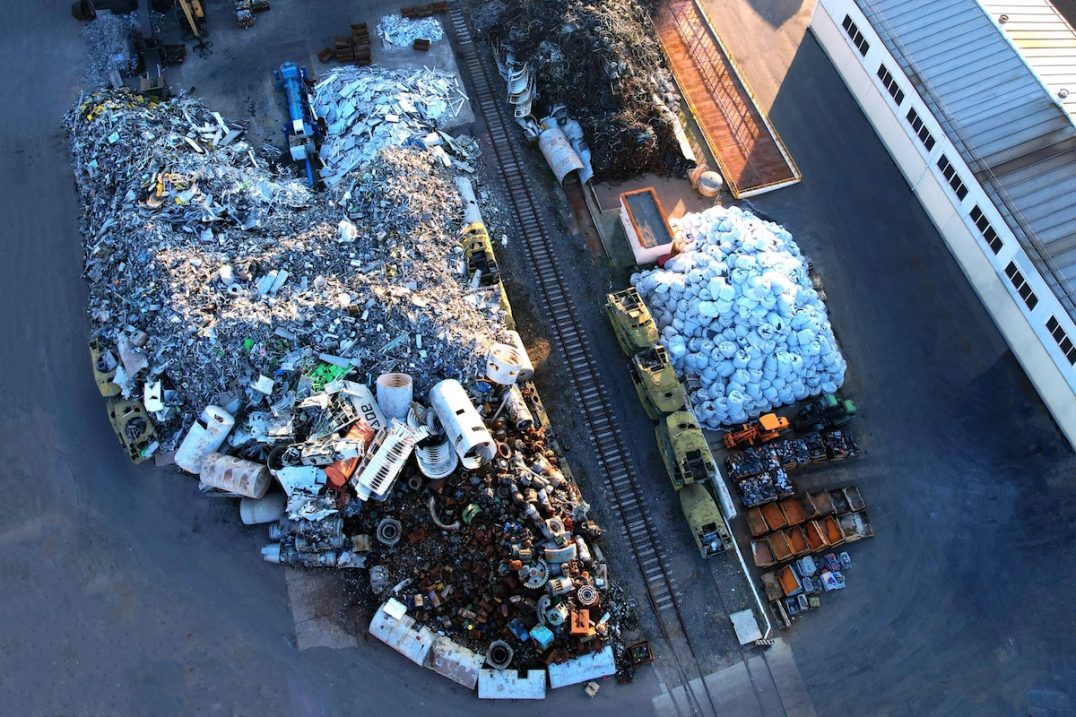
Start by walking through your shop, yard, or job sites and noting any metal waste. Common high-value materials include:
Copper (bare bright, #1, #2, insulated wire)
- Found in electrical wiring, plumbing pipe, motors, HVAC systems, and computer components.
Aluminum (sheet, cans, extrusions)
- Often overlooked in window frames, gutters, auto parts, and machine scrap.
Brass
- Common in valves, plumbing fixtures, and mechanical components.
Stainless Steel
- Found in food-service equipment, industrial machinery, and fabrication scrap.
Steel & Iron
- Includes beams, rebar, tools, machinery parts, and demolition scrap.
Automotive Scrap
- Rotors, engines, transmissions, batteries, catalytic converters.
Electronics & E-scrap
- Servers, computer towers, power supplies, and wiring harnesses.
Document each type as you go. If you’re unsure what a particular material is, take a photo and ask your local recycler—like All American Recycling—before discarding anything that might be valuable.
Recycling steel in the U.S. conserves 1.1 tons of iron ore for every ton of scrap — that’s a huge environmental payoff.”
Step 2: Measure How Much Scrap Metal You Generate
To understand your potential revenue from recycling scrap metal, you need rough estimates of weight or volume. During your audit:
- Weigh small scrap using a shop scale
- Estimate volume for larger items (bins, barrels, piles)
- Count recurring items (motors, rotors, wire bundles)
- Track how often you generate each type (daily/weekly/monthly)
You don’t need perfect numbers. Even basic estimates can help you:
- Set realistic revenue expectations
- Identify the best collection method (bin, barrel, roll-off container)
- Decide whether to request scheduled pickups
This is where a free downloadable scrap audit template will help.
Step 3: Analyze Where Your Scrap Metal Is Lost or Mixed Into Trash
Most businesses lose revenue because scrap ends up:
- In general trash bins
- Mixed with wood, plastic, or construction debris
- Left behind at job sites
- Tossed by employees who don’t know its value
- Thrown away because no sorting system exists
During your audit, look for waste locations—dumpsters, debris piles, trash cans, and workstations—where metal is being discarded instead of recycled.
Mark these spots for new procedures or containers.
Step 4: Separate Scrap Metal for Maximum Value
Sorting metals properly is the easiest way to increase your payout. For example:
- Clean copper wire pays significantly more than tangled or insulated wire
- Sorted aluminum (extrusion vs sheet) brings higher value
- Clean brass earns more than mixed brass/steel scrap
- Stainless steel should be separated from ferrous metals
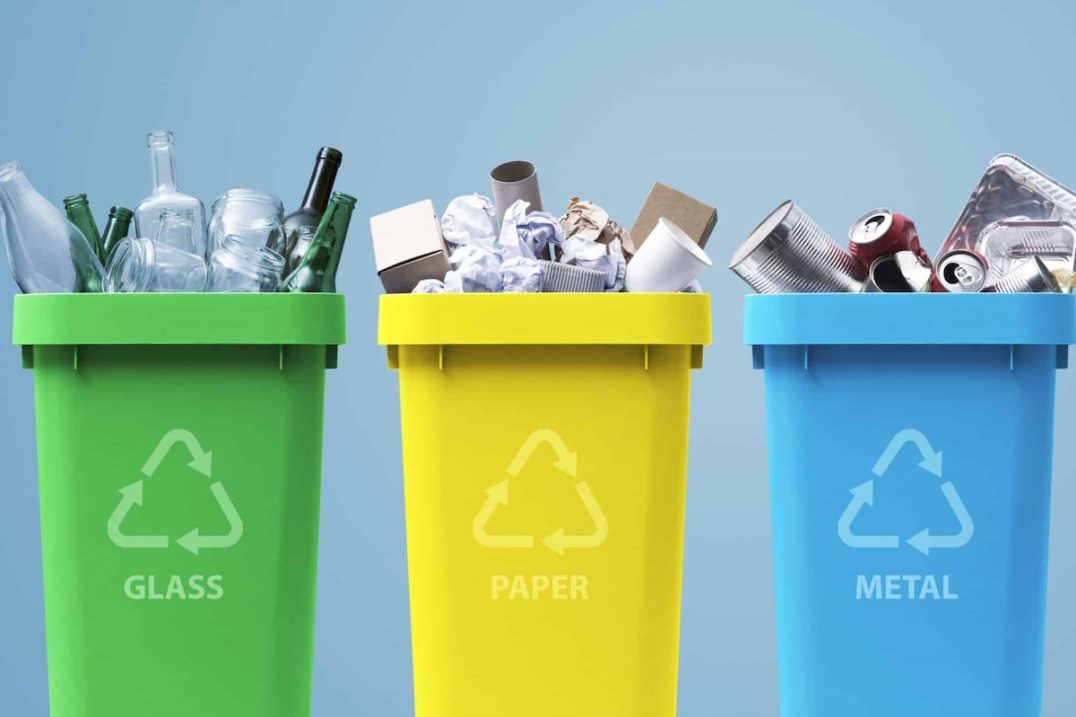
Designate labeled bins for:
- Copper
- Aluminum
- Brass
- Stainless steel
- Steel/Iron
- Mixed scrap (to be sorted later)
This one change can increase your earnings by 20–40%.
Pro Tip: Sorting your metals at home before bringing them in can save time and sometimes earn you more money. Non-ferrous metals like copper and aluminum are generally more valuable than ferrous metals.
Step 5: Set Up an Internal Scrap Collection System
After identifying waste sources and scrap types, create a simple process:
- Place bins or barrels near the work areas that generate metal
- Train employees on what goes where
- Assign someone to consolidate bins weekly
- Create a drop-off or pickup schedule with your recycler
- Track weights and payouts month-to-month
Most businesses find that once employees understand the value of scrap, collection becomes much easier.
Step 6: Partner With an Austin Scrap Metal Recycler
Once your audit is complete, partner with a reputable recycling facility that understands Austin businesses’ needs. The best scrap yards offer:
- Competitive rates
- Fast unloading
- Commercial pickup or roll-off containers
- Transparent scales and pricing
- Quick payment
- Help sorting or identifying metals
A good recycler becomes a long-term revenue partner.
Step 7: Track Your Scrap Revenue to Measure ROI
Use your audit data to:
- Forecast monthly scrap revenue
- Compare different job sites or departments
- Identify high-value materials you should recover more consistently
- Evaluate when to request larger containers or scheduled pickups
Even a small scrap program can offset disposal costs—and larger operations can generate thousands per year.
Ready To Unlock Hidden Value Through Recycling Scrap Metal?
Recycling scrap metal isn’t just good for the environment—it directly boosts your bottom line. By performing a simple waste audit, you’ll uncover hidden Austin scrap metal value that’s been sitting in your dumpsters, job sites, or workshop floors.
All American Recycling is here to support you with a free downloadable scrap audit template.
Start the recycling journey today by bringing your metals to family owned All American Recycling. Whether you’re an individual looking to recycle a few pounds of scrap or a business with large quantities of metal, All American Recycling in the Austin area is your one stop shop for scrap metal recycling.
We buy and sell scrap metal, adhering to all Texas state laws and regulations and with the safety of customers in mind. And we’re proud to be part of Austin’s journey toward a greener, more sustainable community. To learn more about the specific items we accept, schedule a drop-off, or for daily prices, call us at 512-243-1183 or complete the form below.
"*" indicates required fields